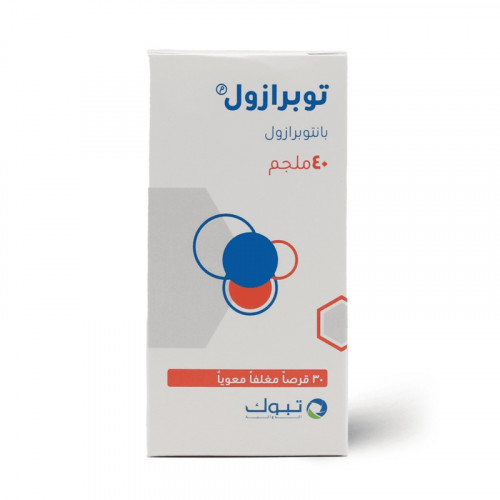
 Nexium 40 mg Tablet 28pcs
77.25

Pantoprazole 40 mg Gastro-resistant Tablets
What is Pantoprazole used for:
Pantoprazole
is a medication that belongs to a class of medications known as ”proton
pump inhibitors”. It is used for the short-term treatment of adult
patients with reflux signs and symptoms, like, regurgitation and
heartburn.
Do not take Pantoprazole :
If you are
allergic to Pantoprazole or any of the ingredients in this medicine.
Tell your doctor about the allergy and what signs you had.
If you are taking HIV protease inhibitors (medications used to treat HIV), like, atazanavir and nelfinavir.
Warnings and precautions:
Talk
to your doctor or pharmacist if you develop allergic reactions to this
medication or have previously experienced allergic reactions to
medications that are similar to this one (proton pump inhibitors). Signs
of allergic reactions include shortness of breath, skin rash, swelling
of the face or neck, decreased blood pressure and dizziness.
Make
sure to tell your doctor if you have liver problems, jaundice (yellowing
of eyes and skin), anemia, bleeding in your stomach or bowel,
unintentional weight loss, difficulty swallowing, persistent vomiting or
vomiting with blood and any other medical problem.
Make sure to tell
your doctor if you previously have had a stomach ulcer (sore in your
stomach) or a surgery in your stomach or bowel.
Consult your doctor if you are placed on continuous symptomatic treatment of heartburn or indigestion for 4 weeks or more.
Make sure to tell your doctor if your symptoms are new or have recently changed and you are aged more than 55 years
Make
sure to follow up with your doctor on a regular basis if you are aged
more than 55 years and are taking non-prescription heartburn medications
almost every day.
Consult your doctor if you will be undergoing an endoscopy or urea breath test before starting the medication.
This
medication may not cause immediate relief after taking it. It is
expected to start working after 1 day of treatment and up to 7 days for
complete relief.
Do not take this medication for prevention of stomach reflux.
Do not take any other heartburn medication with this one, unless your doctor tells you to.
This
medication may increase the risk of stomach or bowel infections caused
by bacteria. Make sure to tell your doctor if you develop
gastrointestinal signs, like, severe and persistent diarrhea, nausea and
vomiting.
This medication may increase the risk of subacute
cutaneous lupus erythematosus (SCLE) which is a skin disorder that
develops usually in sun exposed parts of the body, like, the shoulders,
upper back, neck, extensor arms and upper torso and is manifested by a
red, raised and scaly rash. Contact your doctor immediately if you
develop any side effects like rash or painful joints. Your doctor may
discontinue the medication if this happens.
This medication may
interfere with some lab tests that are required during investigations
for neuroendocrine tumors (tumors that arise from the hormones and
nervous system) and therefore your doctor may recommend stopping this
medication at least 5 days before undergoing the test if needed. Make
sure to tell your doctor if you are due to undergo a specific lab test
(Chromogranin A).
This medication is usually used for up to 4 weeks, unless your doctor recommends a longer duration of taking the medication.
This medication may affect your ability to absorb Vitamin B12 if used for long-term.
This
medication may increase the risk of bone fractures if taken at high
doses and over long durations (more than 1 year). The risk is higher in
elderly patients, in those who already have osteoporosis (low bone
density) and in those who are taking corticosteroids. Your doctor may
recommend supplementation with calcium and vitamin D depending on your
case.
This medication may cause low magnesium levels if used for
three months or more. Signs of low magnesium levels include uncontrolled
involuntary muscle movements, fatigue, confusion, convulsions, abnormal
heart rhythms and dizziness. Make sure to contact your doctor if you
develop any of these signs. Your doctor may recommend measuring your
magnesium levels before starting this medication especially if you are
at higher risk of low magnesium levels (e.g. long-term treatment with
the medication or receiving other medications with this one that may
exacerbate magnesium levels reduction in your blood). Low levels of
magnesium may also cause low calcium or potassium levels in the blood
Make sure to tell your doctor if you do not feel better after 2 weeks of starting this medication.
Make sure to tell your doctor if you have been taking this medication for more than 4 weeks.
Make
sure to talk to your doctor immediately if you develop signs, like,
vomiting especially if bloody and repetitive (appears as dark coffee
grounds), pale skin, weakness, black or bloody stools, stomach pain,
unintentional weight loss that is not related to exercise or diet,
difficulty or pain when swallowing and chest pain.
Your doctor may
recommend some blood tests. Make sure to tell your doctor that you are
currently taking this medicine if you are due to have any blood test.
Possible side effects:
Possible
serious side effects of Pantoprazole include signs of an allergic
reaction, like rash and hives, signs of serious skin reactions, like,
bleeding and losing skin around genitals, nose, mouth or eyes,
blistering or peeling of the skin, rash with swelling and rash upon sun
exposure, signs of liver damage, like, yellowing of the eyes and skin,
signs of kidney damage, like, lower back pain with fever and painful
urination. Common side effects include benign polyps in the stomach.
Other uncommon or rare side effects include headache, diarrhea, feeling
sick, flatulence, vomiting, bloating, dry mouth, dizziness,
constipation, skin rash or hives, feeling tired or weak, stomach
discomfort and pain, itching, fractures in the spine, hip or wrist,
sleep problems, muscle joints, increase in liver enzymes in a blood
test, changes or loss of sense of taste, blurred vision, painful joints,
weight changes, enlarged breasts in males, increased body temperature,
swelling of the extremities, depression, increased bilirubin and fat
levels and a sharp drop in circulating granular white blood cells,
decreased blood platelets (can cause easy bruising, delayed wound
healing and bleeding), loss of coordination and orientation, decreased
white blood cells (may increase risk of infections), decreased red blood
cells, watery diarrhea, burning sensation or numbness, feeling of
prickling, pins and needles or tingling, confusion, decreased level of
magnesium and sodium in blood, hallucination and rash with painful
joints.
Other medicines and Pantoprazole :
Tell your doctor or pharmacist if you are taking, have recently taken or might take any other medications.
If you are taking some antifungals like ketoconazole (used to treat fungal infections).
If you are taking HIV protease inhibitors (medications used to treat HIV), like, atazanavir and nelfinavir.
If you are taking warfarin or phenprocoumon (blood thinners).
If you are taking methotrexate (used to treat rheumatoid arthritis, psoriasis, and cancer).
If
you are taking other acid reducing medications, like, another proton
pump inhibitor (e.g. lansoprazole, omeprazole, rabeprazole) or an H2
antagonist (e.g. famotidine, ranitidine). Antacids (e.g. alginic acid,
magaldrate, aluminum hydroxide, sodium bicarbonate, magnesium carbonate,
or combinations) may be safely taken with this medication if needed.
How to take Pantoprazole :
Adults:
Recommended dose is one tablet (20 mg) orally every day.
Children:
Safety and effectiveness of this medication has not been established yet in children.
Take this medication as recommended in this leaflet or as recommended by your doctor or pharmacist.
Make sure to take this medication for at least 2-3 consecutive days.
Stop taking this medication when you feel completely relieved from your symptoms.
Do not take the medication for more than 4 weeks if not recommended by your doctor.
Take the tablet before a meal.
Take medication at the same time every day.
Swallow tablet whole with a glass of water. Do not break or chew the tablet.
How to store Pantoprazole :
Do not store tablets at extreme temperatures
Keep out of the reach of children and pet
Do not use beyond the expiry date mentioned on the box
Keep medication in its original pack to protect it from moisture and light
Do not use damaged pills
Do not dispose medication in the wastewater or household waste